Les actualités

06 Fév
Conduire le vivant avec l'ENSP !
17 Sep
Journées du patrimoine 2022
01 Sep
Le PUP s'étend sur Aix-en-Provence !
10 Juin
Visite du collège Jules Massenet
Voir toutes les actus


Présentation


Crédit : L. Seguinel
Le PUP


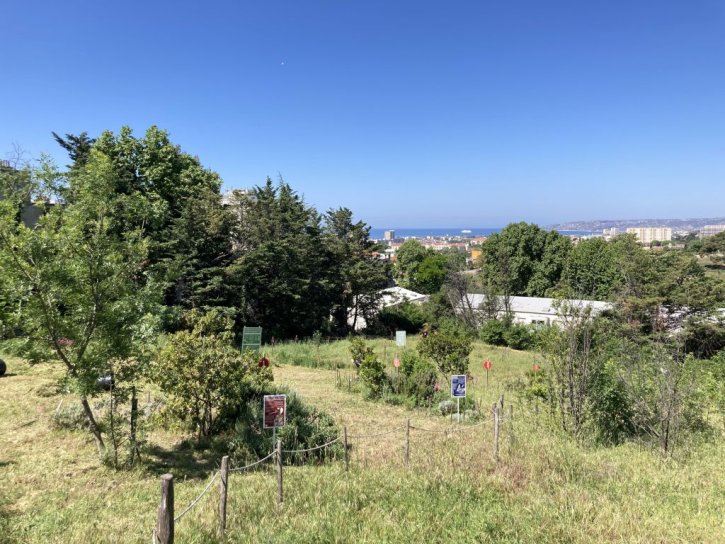
Le Parc Urbain des Papillons (PUP) est un site expérimental unique dédié à la biodiversité urbaine, situé dans le 14ᵉ arrondissement de Marseille sur le domaine de la Tour des Pins. Aménagé en 2012 sur une ancienne friche mise à disposition par la Ville de Marseille, il a été conçu pour favoriser les papillons grâce à des plantations adaptées : plantes nectarifères, sources de nourriture pour les papillons, et plantes hôtes, indispensables au développement des chenilles.
Chaque année, des suivis scientifiques y sont menés afin d’observer l’évolution des communautés de papillons de jour et de mieux comprendre les dynamiques de la biodiversité en milieu urbain.
Porté par le Laboratoire Population Environnement Développement (LPED), le PUP est aussi un lieu de sensibilisation à visée pédagogique. Il accueille scolaires, étudiants et grand public pour découvrir les enjeux de la biodiversité urbaine.
Enfin, le PUP constitue aussi un espace de formation pour les gestionnaires et futurs professionnels de l’environnement, en les initiant à des pratiques de gestion raisonnée des espaces verts. Découvrir le PUP


Partenaires et financeurs


Papillons de Marseille ...


Les papillons de Marseille


Le livre « Papillons de Marseille » constitue un outil de détermination des papillons présents dans la ville. Il permet l'identification de 71 espèces observées lors de travaux de recherche menés dans des parcs et des friches urbaines. Chaque fiche est illustrée de photographies des œufs, chenilles, chrysalides et imago, offrant ainsi une vision de l’ensemble du cycle de vie des espèces. Cet ouvrage a été conçu à destination des étudiants, institutions, professionnels, bénévoles associatifs et de toute personne curieuse de la biodiversité urbaine. Découvrir le livre


On parle de nous ...


Made in Marseille reportage Olivia Chaber 2024


Silence ça pousse 2014


Présentation du Parc Urbain des Papillons


Ressources HAL

01.11.2026 [hal-05847256] Numerical modeling of oscillations for axisymmetric solar backgrounds with differential rotation and gravity source : papillon

<div><p>In the context of local helioseismology, we present a robust numerical framework based on the Hybridizable Discontinuous Galerkin (HDG) method for solving the linearized equations of stellar oscillations in realistic solar backgrounds, incorporating gravity, stratification, differential rotation, and acoustic attenuation. The governing equations are formulated using the displacement vector and the pressure perturbation as the unknowns and are solved in the frequency domain. The time-independent background model is assumed to be axisymmetric, allowing for a decomposition into azimuthal Fourier modes at each frequency. This leads to a set of 2D decoupled equations in Fourier space, which are numerically solved with the HDG method. We investigate the response to external sources of excitation, particularly Dirac-type sources. At low attenuation levels, we observe the emergence of complex singularity structures (for example in the near-surface layers and in the solar atmosphere). This behaviour follows from the propagation of singularities principles, since in the absence of attenuation the problem is of mixed elliptic-hyperbolic type. To maintain accuracy at small (solar-like) attenuation levels, we develop an HDG stabilization strategy. Our numerical experiments illustrate the accuracy and robustness of the proposed HDG formulation. Our Green's function calculations achieve the high level of accuracy required by passive imaging methods in helioseismology. In particular, we show that the mode frequencies and the rotational splitting coefficients due to differential rotation extracted from the model power spectrum are consistent with solar observations at a level of accuracy better than a tenth of a nanohertz.</p></div>

28.10.2026 [hal-05842203] Genetic erosion and projected habitat loss in the protected Alpine moth Actias isabellae galliaegloria (Lepidoptera: Saturniidae) source : papillon

Montane and specialist insects are particularly vulnerable to habitat loss and climate change. The Spanish Moon Moth ( Actias isabellae ), a rare and protected species, hosts an isolated Alpine population (subspecies galliaegloria ), whose conservation status remains unclear. We combined Restriction‐site Associated DNA sequencing (RADseq) and Ecological Niche Modelling (ENM) to assess its genetic diversity, population structure and environmental vulnerability. Genomic analyses revealed extremely low genetic diversity and inbreeding in the Alpine subspecies, consistent with a historical bottleneck, reducing adaptive potential. Species distribution models predict a major contraction of suitable habitat by 2050 due to rising temperatures and declines in its primary host, Scots pine ( Pinus sylvestris ). These findings highlight the compounded risks posed by genetic impoverishment and habitat loss, emphasizing the urgent need for targeted conservation measures. Our study demonstrates the value of integrating genomic and ecological approaches to evaluate extinction risk and guide management strategies for montane specialist insects under rapid environmental change.

24.10.2026 [inserm-05837797] Aryl hydrocarbon receptor restrains tonic cytokine responses by inhibiting microbiota sensing in monocytes source : papillon

Immune cells are constantly exposed to microbiota-derived compounds that can engage innate recognition receptors. How this constitutive stimulation is downmodulated to avoid systemic inflammation and autoimmunity is poorly understood. Here, we show that aryl hydrocarbon receptor (AhR) deficiency in monocytes unleashed spontaneous cytokine responses in vivo, driven by stimulator of interferon genes (STING)-mediated tonic sensing of microbiota. This effect was specific to monocytes, as mice deficient for AhR specifically in macrophages did not show any dysregulation of tonic cytokine responses. AhR inhibition also increased tonic cytokine production in human monocytes. Finally, in patients with systemic juvenile idiopathic arthritis, low AhR activity in monocytes correlated with elevated cytokine responses. Our findings reveal an essential role for AhR in monocytes in restraining tonic microbiota sensing and in maintaining immune homeostasis.

07.10.2026 [hal-05783576] The impact of general anesthesia versus non–general anesthesia on thrombectomy outcomes by occlusion location: insights from the ETIS registry source : papillon

OBJECTIVE Identifying the optimal anesthetic technique for mechanical thrombectomy (MT) remains an unresolved issue. Prior research has not considered the influence of occlusion site when comparing general anesthesia (GA) with non-GA. This study evaluates the differential impacts of the anesthetic technique (GA vs non-GA) on outcomes according to the location of occlusion. METHODS This is a retrospective analysis of the ETIS (Endovascular Treatment in Ischemic Stroke) registry. Patients with anterior circulation large-vessel occlusion treated with MT were included. Patients were divided into groups according to the location of occlusion. Inverse propensity score weighting analysis was used. RESULTS Among 2783 patients included in the propensity score analysis, 669 (24%) received GA. In the total cohort, GA was not associated with favorable outcome, excellent outcome, successful reperfusion, or complete reperfusion. GA was associated with higher odds of parenchymal hemorrhage (OR 1.42, 95% 1.05–1.92) but not symptomatic intracranial hemorrhage. GA was associated with Alberta Stroke Program Early CT Score progression (OR 1.36, 95% CI 1.11–1.68). In the internal carotid artery occlusion group, GA was associated with higher odds of mortality (OR 1.94, 95% CI 1.15–3.27). In the M1 group, GA was associated with lower odds of complications (OR 0.41, 95% CI 0.19–0.92). In the M2 group, GA was associated with successful reperfusion (OR 2.79, 95% CI 1.02–7.64). In addition, the complication rate was lower with GA (2.7% vs 7%), although the association was not significant in adjusted analysis. CONCLUSIONS While GA and non-GA techniques did not differ significantly in functional outcomes, the influence of GA on angiographic and procedural safety outcomes was location dependent, underscoring the importance of a tailored anesthesia technique in MT procedures.

09.09.2026 [hal-05743702] Phylogenomics Illuminates the Evolutionary History of Wild Silkmoths in Space and Time (Lepidoptera: Saturniidae) source : lépidoptère

Wild silkmoths (Saturniidae) are one of the most emblematic and well-studied families of moths. Yet, the absence of a robust phylogenetic framework based on a comprehensive taxonomic sampling impedes our understanding of their evolutionary history. We sequenced and analyzed 1024 ultraconserved elements (UCEs) and their flanking regions to infer the relationships among 338 species of Saturniidae representing all described subfamilies, tribes, and genera. We investigated systematic biases in genomic data and performed dating and historical biogeographic analyses using extinction-free and state-dependent speciation and extinction models to document the evolutionary history of wild silkmoths in space and time. Using gene genealogy interrogation, we showed that saturation of nucleotide sequence data blurs our understanding of early divergences and first biogeographic events. Our results support a Neotropical origin of saturniids but remain inconclusive with respect to the extent of the ancestral range for the family. The “traditional” hypothesis of an origin restricted to the Neotropics is supported by models that account for founder-effect dispersal, but a new alternative scenario recovered from other models is proposed and considered a better fit to the hypothetical modes of diversification in these moths. It estimates a broader ancestral range covering the Neotropical, West Nearctic, and East Palearctic bioregions and emphasizes the critical role of Beringia as a route between the New World and the Old World during the Eocene. Interestingly, all the early branching lineages of Saturniidae that diversified into today’s recognized subfamilies are characterized by a very strong geographic conservatism, except for one noticeable exception, the Saturniinae subfamily, that is now present on all continents but Antarctica. Overall, our results provide a framework for in-depth investigations into the spatial and temporal dynamics of all saturniid lineages and for the integration of their evolutionary history into further global studies of biodiversity and conservation. Rather unexpectedly for a taxonomically well-known family such as Saturniidae, the proper alignment of taxonomic divisions and ranks with our phylogenetic results leads us to propose substantial rearrangements of the family classification, including the description of one new subfamily and two new tribes.

24.08.2026 [hal-05725786] ERGA-BGE genome of the Spanish moon moth Actias isabellae Graells, 1849: a nocturnal lepidopteran protected by the Habitats Directive source : lépidoptère

High-quality reference genomes are critical resources for understanding biodiversity and supporting conservation efforts. We present the chromosome-level assembly of the Spanish moon moth, Actias isabellae (Graells, 1849), a nocturnal lepidopteran protected under the EU Habitats Directive. The assembly spans 0.56 Gb across 31 pseudomolecules, including the Z chromosome, with a contig N50 of 18.9 Mb and a scaffold N50 of 20.4 Mb. The mitochondrial genome was also assembled into a 15,247 bp circular sequence. Annotation identified 11,805 protein-coding genes and 2,238 non-coding genes, with a BUSCO completeness of over 94%. Notably, no W chromosome was detected, suggesting a ZZ/Z0 sex determination system. This reference genome provides an essential foundation for studying sex chromosome evolution in Lepidoptera and enables advanced population genomics monitoring of this protected species. More broadly, it contributes to ongoing efforts within the European Reference Genome Atlas and the Earth BioGenome Project to harness genomics for biodiversity conservation.

07.08.2026 [hal-05713066] An annotated chromosome-level genome assembly of the Adzuki bean borer &lt;i&gt;Ostrinia scapulalis&lt;/i&gt; (Lepidoptera: Crambidae) source : lépidoptère

The genus Ostrinia (Lepidoptera: Crambidae) comprises two of the most important maize pests worldwide, the Asian and the European corn borers. Here, we present an annotated, chromosome-level genome assembly for the most closely related species, the Adzuki bean borer Ostrinia scapulalis, which feeds on various dicotyledon plants. The previous reference genome assembly for this species was generated from short-read sequencing data, resulting in high fragmentation and low completeness. Combining PacBio long read and Hi-C sequencing, we generated a 476 Mb genome with 48 contigs organised into 31 chromosomes (30 autosomes and one Z sex chromosome), with a contig N50 of 16.1 Mbp and BUSCO completeness exceeding 98%. We further combined published and novel RNA-seq data encompassing multiple life stages, tissues, and sexes to annotate 14,261 gene models, reaching a proteome BUSCO completeness of 95%. This highly contiguous reference genome assembly provides a much-improved resource for carrying comparative genomic approaches and better understanding speciation and host plant adaptation in the Ostrinia genus

02.02.2026 [hal-05354077] Phylogeny, systematics and evolution of mimicry patterns in Neotropical limenitidine butterflies source : lépidoptère

The Neotropical butterfly genus Adelpha Hübner exhibits remarkable species diversity and striking convergence in wing colour patterns potentially explained by mimicry, making it an exceptional model for exploring trait evolution and its relationship with speciation. To date, unresolved phylogenetic relationships hinder a comprehensive understanding of the evolutionary biology of the genus. Using a novel multi‐marker dataset combining one mitochondrial and 15 nuclear gene fragments, we generate the most comprehensive phylogeny of the genus Adelpha to revisit its systematics and investigate the evolution of mimicry colour patterns. Our dataset encompasses 83 of the 87 known extant species and six Limenitis species that were recently excluded from Adelpha (134 of c . 160 subspecies in total), collectively displaying 14 distinct mimicry patterns. We provide conclusive evidence that corroborates previous work on the polyphyly of Adelpha as historically conceived and describe the genus Adelphina Páez &amp; Willmott n. gen . to stabilise the nomenclature. The comprehensive phylogeny provided in this study lays a solid foundation for future research into the processes driving diversification within these species interacting through mimicry. Ancestral character state reconstruction reveals the gradual evolution of mimicry patterns. The more common mimicry pattern IPHICLUS (forewing with orange subapical spot and white band) is inferred as ancestral, but repeated convergent evolution is also recovered. Evolutionary convergence is also observed for the second most abundant mimicry pattern, COCALA (orange‐white banded). Increased rates of mimicry pattern evolution are also found towards the equator. These results underscore the complexity of mimicry evolution in the Neotropical limenitidines, i.e., Adelpha and Adelphina n. gen. , emphasising the need to explore its interplay with other biotic and abiotic factors.

08.09.2025 [hal-05245380] Analyse fonctionnelle des vankyrines du polydnavirus HdIV source : lépidoptère

Pour de nombreux endoparasitoïdes ichneumonides, le succès parasitaire dépend de leur association avec un polydnavirus symbiote. Les particules virales, produites exclusivement dans les ovaires, sont injectées dans la chenille du lépidoptère au moment de l’oviposition. L’expression des gènes viraux dans les tissus infectés induit des altérations importantes dans la croissance, le développement et la réponse immunitaire de l’hôte, ce qui permet le développement de la progéniture du parasitoïde. Les gènes vankyrines constituent une famille multigénique que l’on retrouve dans tous les génomes de polydnavirus séquençés jusqu’à présent. Ils codent pour des protéines homologues aux facteurs IkappaBs, inhibiteurs des facteurs de transcription Rel/NF-kB, dont le représentant le plus étudié chez les insectes est la protéine Cactus de Drosophila melanogaster. Les vankyrines possèdent un domaine ARD constitué de quatre répétitions de type ankyrines qui, chez les IkBs sont essentielles pour leur interaction avec les facteurs NF-kB. Mais contrairement aux IkB cellulaires, les vankyrines n'ont pas les domaines de régulation nécessaires à la dissociation du complexe NF-kB/IkB : elles formeraient donc un complexe irréversible avec les NF-kB, ce qui aurait pour conséquence d’empêcher les NF-kB de se fixer sur leurs sites kB et donc empêcherait l’expression de gènes impliqués dans la réponse immunitaire et/ou le développement de l’hôte parasité. Nous avons identifié neuf gènes vankyrines dans le génome du polydnavirus HdIV, présent chez Hyposoter didymator [Hyménoptère : Ichneumonidae], un endoparasitoïde larvaire de certaines noctuelles, appartenant notamment au genre Spodoptera spp. L’analyse spatio-temporelle des vankyrines de HdIV a mis en évidence l’expression largement prédominante de la vankyrine Hd27-vank1 au cours du parasitisme des larves de S. frugiperda par H. didymator. Pour tenter de comprendre le rôle de Hd27-vank1, nous avons produit un baculovirus recombinant exprimant la protéine virale. Nous avons alors mesuré les effets de l’expression de la protéine virale sur la viabilité des larves de S. frugiperda et des cellules Sf9 infectées avec le baculovirus recombinant. Nous présenterons les résultats obtenus au cours de ce congrès.

Parce qu'il est important de favoriser les papillons en ville, nous vous encourageons à créer des PUP dans toutes les villes et les villages.

🦋 Pour vous donner un aperçu de ce dispositif et vous donner envie de le reproduire, notre démarche.

🦋 Pour le reproduire près de chez vous, le mode d'emploi.


Biodiversité urbaine Butterfly Chenille Insectes LPED Marseille Nature Nature en Ville PUP Papillon Papillons Parc Rhopalocères Écologie Écologie Urbaine